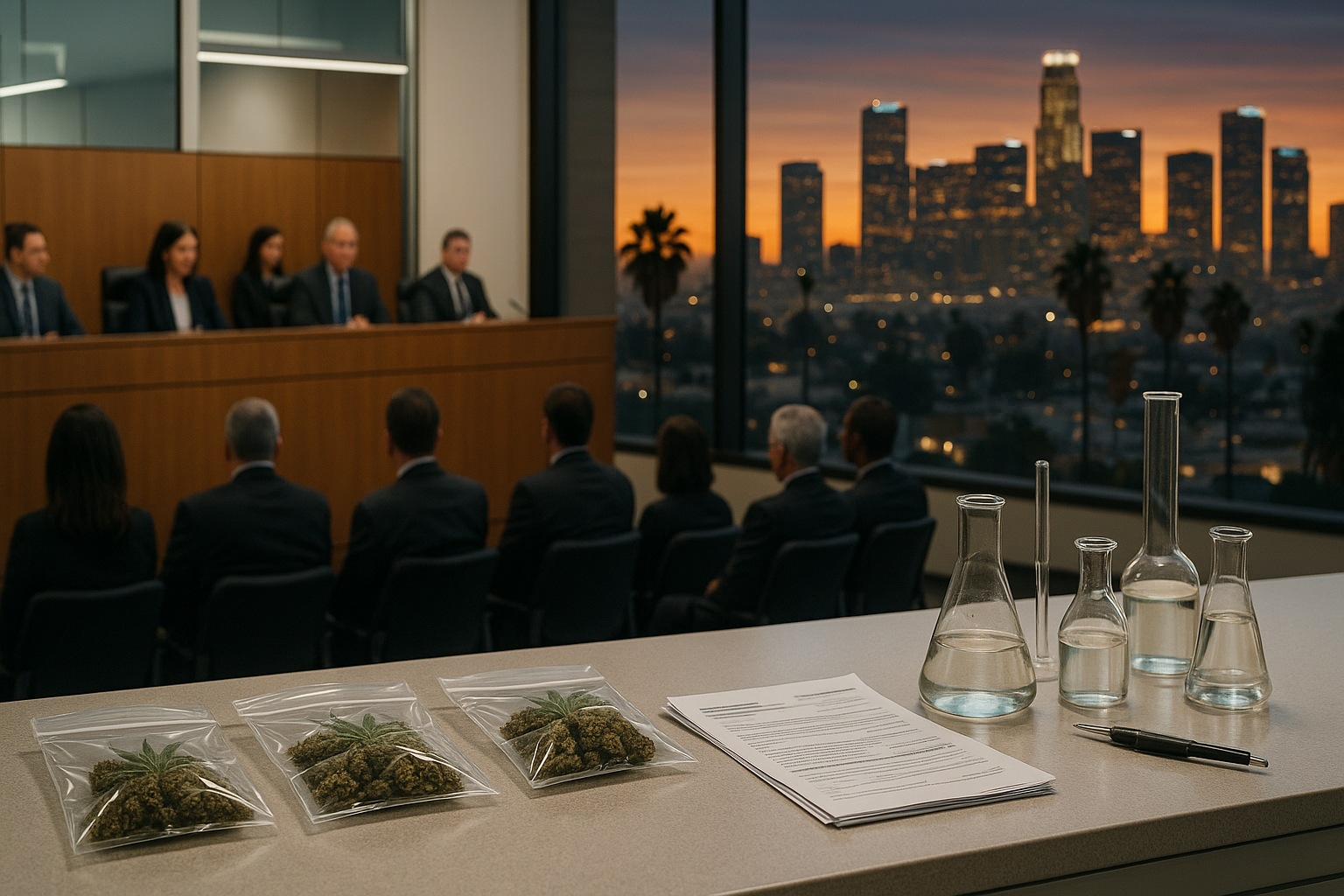
Two major state cannabis markets are moving toward new operating rules, with Virginia outlining the structure of its forthcoming adult-use industry and Nevada proposing broad changes affecting retailers, laboratories and license applicants. Meanwhile, resistance to a Paramount-Warner Bros. Discovery settlement has introduced new uncertainty into one of Hollywood’s most consequential antitrust disputes.
Virginia Draft Rules Define the Shape of Its Adult-Use Cannabis Market
Virginia’s Cannabis Control Authority has released an 82-page draft rulebook for recreational marijuana sales, providing the clearest look yet at the market scheduled to open July 1, 2027. The framework would allow up to 350 stand-alone retail stores and as many as 100 microbusiness licenses during the initial rollout.
The proposal would permit delivery but prohibit drive-through and curbside service. Retail stores generally would need to remain at least 1,000 feet from schools, colleges, hospitals and child day programs, while purchases would be limited to two ounces of flower or specified equivalents per transaction.
Proposed costs include a $4,000 application fee and $20,000 initial authorization fee for stand-alone retailers. Existing medical cannabis processors seeking dual-use status would face a $10 million fee, while microbusinesses would receive a substantially lower fee schedule. The draft remains subject to public-health review and revision before regulations are finalized.
Why It Matters: Analysis: Licensing caps, location restrictions and the dual-use fee could determine whether Virginia develops a diverse market or gives established medical operators a durable early advantage. The proposed lottery process for oversubscribed categories also makes application preparation and eligibility especially important for prospective entrants.
Source: Axios Richmond
Nevada Proposes Broad Cannabis Operations and Testing Overhaul
The Nevada Cannabis Compliance Board has scheduled an October 15 public hearing on two proposed permanent regulatory packages covering licensing, curbside sales, advertising, inventory controls, packaging, laboratory testing and other operating requirements.
Proposal R103-26 would remove the prohibition on placing curbside orders in person or onsite, revise advertising and signage rules, and standardize financial requirements for license applicants. Applicants would need to demonstrate control of at least $200,000 in liquid assets for retail or independent consumption lounges and $250,000 for other establishment licenses.
Proposal R104-26 would align cannabis sampling with an ASTM standard, expand cultivation documentation and chain-of-custody requirements, and increase the minimum usable-cannabis sample from 10 grams to 60 grams. Written comments are due October 14, one day before the hearing.
Why It Matters: Analysis: The packages could reduce friction in some retail activities while creating new compliance, documentation, training and storage costs for cultivators and laboratories. Changes to sampling volume and testing procedures may also affect laboratory revenue, product-release timelines and the amount of inventory reserved for testing.
Source: Nevada Cannabis Compliance Board
Opposition Complicates Paramount-Warner Bros. Settlement Push
Opposition intensified over the weekend to a possible settlement of the 12-state antitrust lawsuit blocking Paramount Skydance’s proposed takeover of Warner Bros. Discovery. New details reportedly under discussion include a bipartisan editorial board that would monitor CNN, which would share corporate ownership with CBS News if the transaction closes.
New York Attorney General Letitia James and at least two other participating attorneys general have reportedly expressed reservations that the prospective concessions would not sufficiently limit the combined company’s power. Critics are also pressing California Attorney General Rob Bonta to reject a settlement that does not require meaningful asset sales.
The resistance marks a material change from earlier reports that California and Paramount were making constructive progress toward resolving the litigation. Paramount is simultaneously under pressure to close before additional payments to Warner Bros. Discovery shareholders begin accruing after September 30.
Why It Matters: Analysis: A split among the plaintiff states could delay or derail a settlement, extending uncertainty for investors, employees and production vendors across Los Angeles. The reported CNN oversight proposal also broadens the dispute beyond conventional competition remedies into questions about editorial independence and control of major news organizations.
Source: Los Angeles Times
What We’re Watching
Over the next 24 to 72 hours, watch for signs that dissenting attorneys general will block or reshape the Paramount settlement framework, along with early industry responses to Virginia’s proposed fees and licensing advantages. Nevada operators and laboratories may also begin identifying provisions they want revised before the October hearing.